The Ultimate IPL Purple Cap Handbook: Rules, Tiebreaker Logic, and Wicket-Taker Statistics.
Discover how the IPL Purple Cap is awarded, including the essential regulations, how ties are settled, and the data behind wicket-taking trends. Read more on Batery.
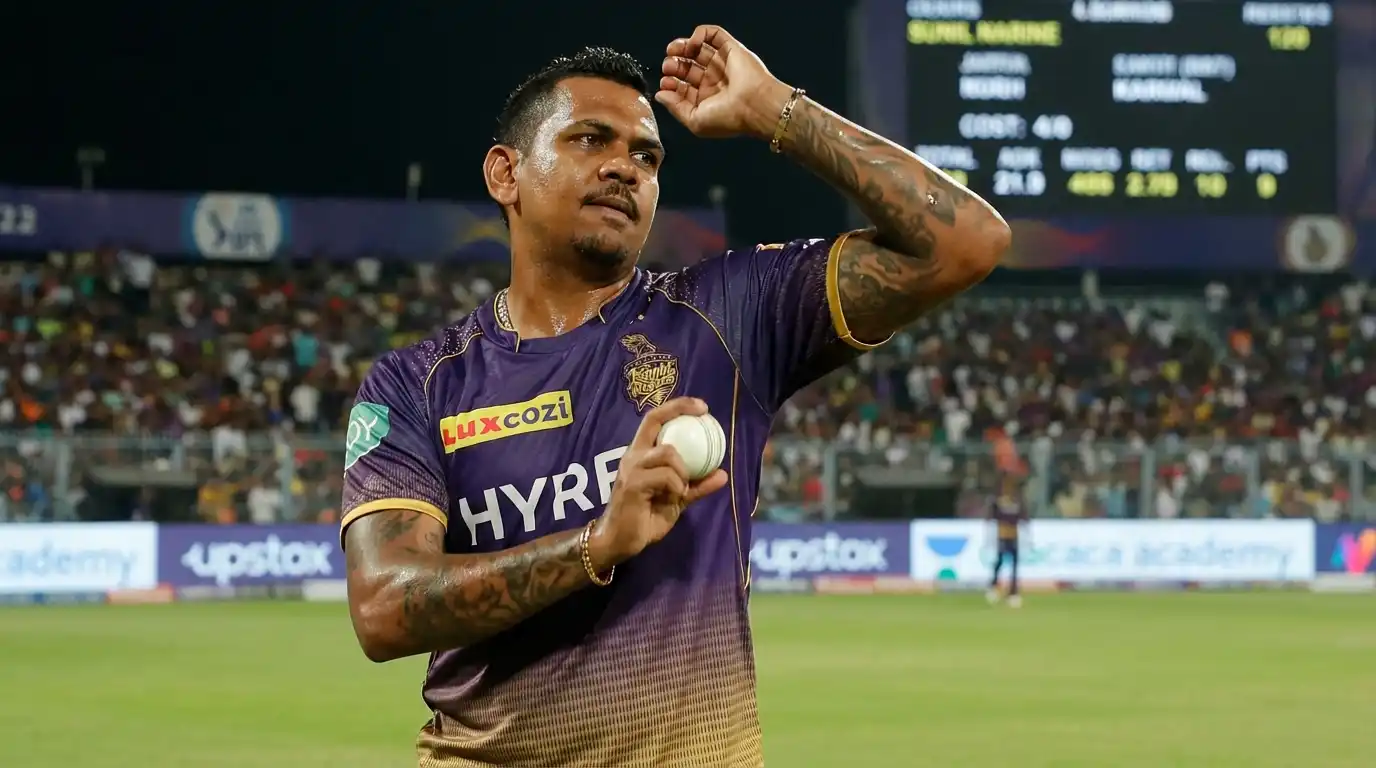
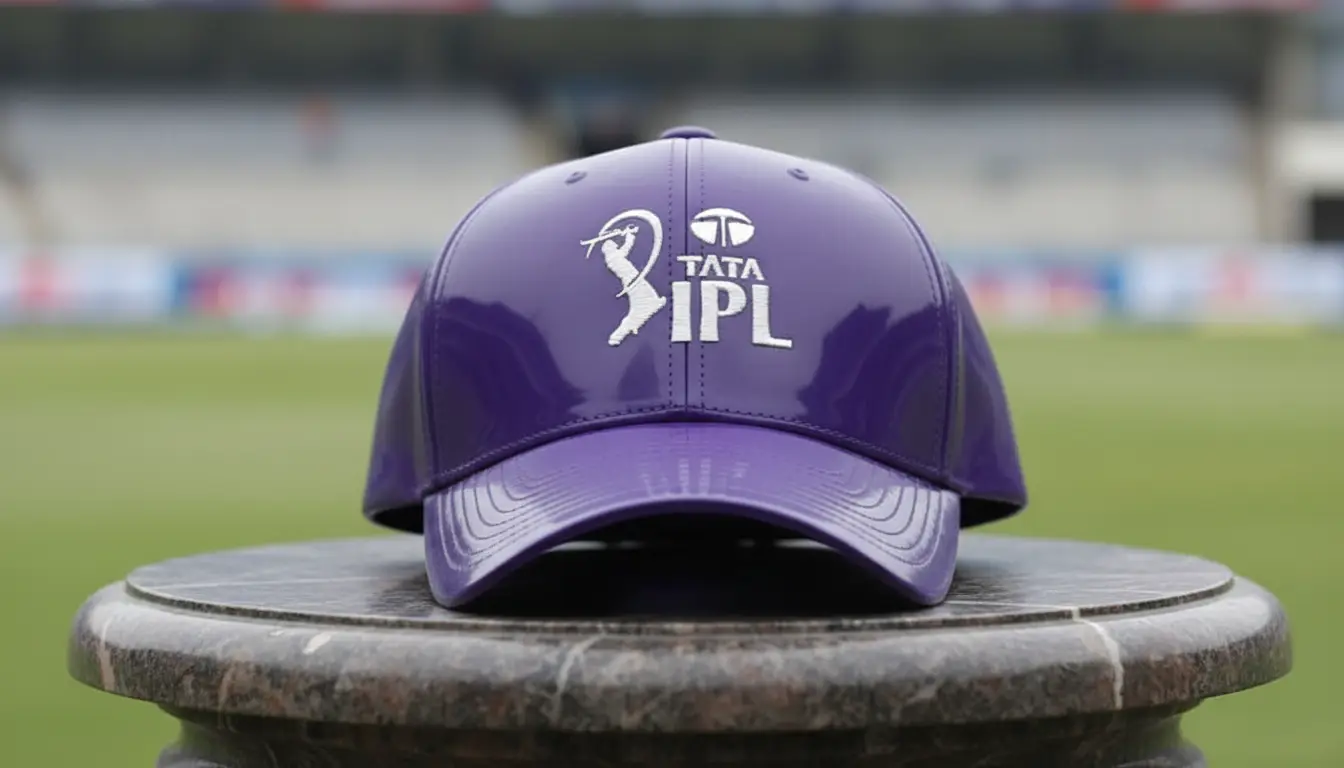
The Purple Cap is the ultimate prize for the bowler who claims the most wickets over the course of an IPL season. The physical cap is worn by the current leader throughout the tournament until the final winner is crowned. To determine who stays on top, officials look at the total wicket count, but also consider efficiency through economy rates and strike rates. Cut through the noise and focus on the numbers.

What Is the IPL Purple Cap
What Is the IPL Purple Cap
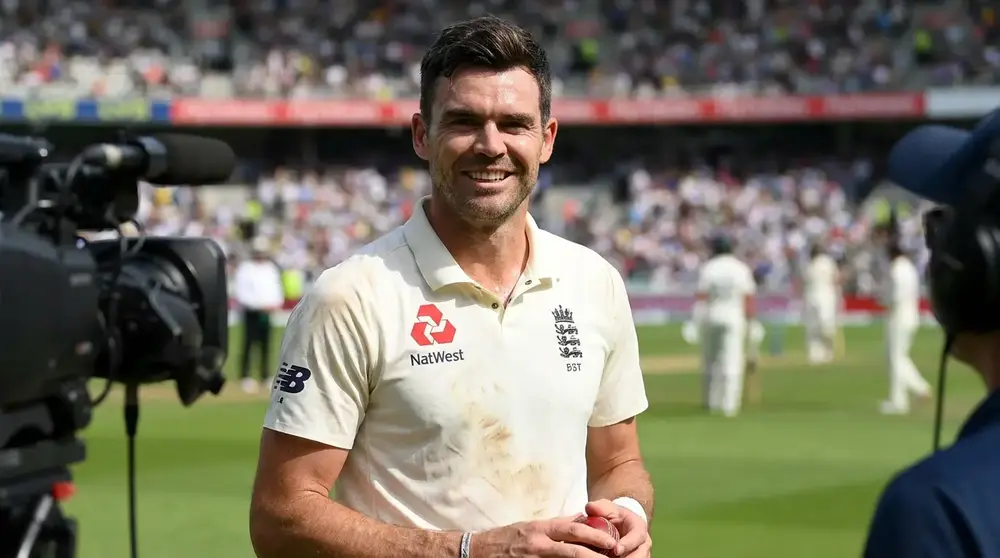
The Purple Cap serves as a mark of excellence for the season's most successful wicket-taker. With standings updated after every match, fans can monitor player form over several weeks. In India's biggest T20 league, this award highlights which attacking bowler is truly dominating the competition.
How the Purple Cap Race Works
How the Purple Cap Race Works
A bowler's tally grows with every wicket they take. If two players end up with the same number of wickets, the economy rate serves as the primary tiebreaker, followed by other specific season rules. However, consistency is key; often, the race for the cap is decided by a player's availability—whether they stayed healthy and played enough games—rather than just their raw talent.
Eligibility Criteria and Tiebreaking Rules for the Purple CapEligibility Criteria and Tiebreaking Rules for the Purple Cap
Eligibility Criteria and Tiebreaking Rules for the Purple Cap
When wicket totals are identical, specific tiebreakers are used to name the winner, starting with the economy rate. To be eligible, a player must be officially registered for the current season and actively participate in matches. Since regulations can shift from year to year, it's important to check the latest tournament guidelines.
To predict which players will remain in the running for the Purple Cap, keep an eye on these critical metrics:
- The strike rate (wickets per ball) reveals a bowler's efficiency at breaking partnerships. Generally, those hunting for wickets aim to keep their economy rate low to pressure the batter.The strike rate (wickets per ball) reveals a bowler's efficiency at breaking partnerships. Generally, those hunting for wickets aim to keep their economy rate low to pressure the batter.
- A steady economy rate is what gives captains the confidence to trust a bowler during the most high-pressure moments of a game.A steady economy rate is what gives captains the confidence to trust a bowler during the most high-pressure moments of a game.
- Phase usage data shows where a bowler is most effective—whether they strike during the powerplay, the middle overs, or the closing death overs.Phase usage data shows where a bowler is most effective—whether they strike during the powerplay, the middle overs, or the closing death overs.
- A high percentage of dot balls puts immense pressure on the batting side, often forcing errors that lead to wickets.A high percentage of dot balls puts immense pressure on the batting side, often forcing errors that lead to wickets.
The Purple Cap is frequently won by bowlers who excel in very specific tactical roles.The Purple Cap is frequently won by bowlers who excel in very specific tactical roles.
The Purple Cap is frequently won by bowlers who excel in very specific tactical roles.
A bowler's opportunities are dictated by their role. Swing bowlers opening the attack often find early breakthroughs. Middle-over specialists use variation and flight to deceive batters into mistakes. Death bowlers often rack up the most wickets because batters are swinging wildly at the end, though this usually comes at the cost of a higher economy rate. The most successful candidates are often those who can master two different phases of the game.
The interaction between pitch dimensions and ground conditions heavily influences wicket counts. In Chennai, for example, slow tracks allow spinners to grip the ball and dominate. Conversely, Mumbai's flatter, truer surfaces favor high-pace bowlers who can maintain a consistent length. Ultimately, a player's chances of winning the cap increase significantly if they play more matches on surfaces that suit their specific style.
Reading Form Without Overreacting
Reading Form Without Overreacting
T20 cricket is famously volatile. A single four-wicket haul can make a mediocre bowler look like a star. To get a real picture, you need a two-fold analysis: look at the last three matches to gauge current form, and look at their career IPL stats to understand their actual ceiling. When both are trending upward, you have a player with both the skill and the confidence to lead the board.
Common Pitfalls when Tracking the Purple CapCommon Pitfalls when Tracking the Purple Cap
Common Pitfalls when Tracking the Purple Cap
Many fans jump on the bandwagon of early leaders after a couple of good games, overlooking whether the player's role is secure for the long haul. Additionally, not all wickets are equal; counting wickets taken during a batting collapse against tailenders can be misleading. Many also ignore the economy rate, forgetting that bowlers who leak too many runs are often taken off the field precisely when the big wickets are available.

Winning the Purple Cap doesn't always mean that bowler was the most impactful player of the season.
Some of the best performers are 'containment' bowlers who prioritize restricting runs over taking wickets. By squeezing the batter, they often set up their partner to take the final wickets. While the Purple Cap only rewards the number of wickets, a player's true value lies in their ability to deliver under pressure and execute crucial overs.
A bowler's success is often a reflection of the support system around them.
A well-rounded bowling attack creates more opportunities for everyone. When one bowler is incredibly tight, the batter feels forced to take risks against the other, leading to more edges. Furthermore, a sharp fielding unit is essential to turn half-chances into wickets. A smart captain also manages matchups, bringing their best bowler back into the attack at the perfect moment. The overall team strategy is what truly drives the wicket count. Here is a checklist for tracking the Purple Cap.

Use this quick guide to spot genuine shifts in player performance between match rounds:
- Check if the bowler is still assigned to their primary phase and is still entrusted with death overs.Check if the bowler is still assigned to their primary phase and is still entrusted with death overs.
- Analyze the strike rate, economy, and dot ball percentage from their last three outings.Analyze the strike rate, economy, and dot ball percentage from their last three outings.
- Look at the upcoming venues and the specific batting lineups they will face.Look at the upcoming venues and the specific batting lineups they will face.
- Keep track of the player's fitness and any team rotation strategies.Keep track of the player's fitness and any team rotation strategies.
A bowler's final tally is also tied to their fielding; dropped catches or poor ground fielding can directly cost them the cap.
Quick role decoder
Quick role decoder
- Understanding a player's role helps set realistic expectations for their performance.Understanding a player's role helps set realistic expectations for their performance.
- Powerplay seamers rely on swing and movement to find the edge of the bat.Powerplay seamers rely on swing and movement to find the edge of the bat.
- Middle-overs spinners use changes in pace and flight to lure batters into mistakes.Middle-overs spinners use changes in pace and flight to lure batters into mistakes.
- Death specialists often sacrifice their economy rate to maximize wicket opportunities, as batters are forced to attack.Death specialists often sacrifice their economy rate to maximize wicket opportunities, as batters are forced to attack.
Mini glossary on the topic
Mini glossary on the topic
- The strike rate is essentially a measure of how many balls a bowler delivers before taking a wicket.The strike rate is essentially a measure of how many balls a bowler delivers before taking a wicket.
- Economy rate is the average number of runs a bowler concedes per over.Economy rate is the average number of runs a bowler concedes per over.
- A dot ball is any legal delivery that results in zero runs.A dot ball is any legal delivery that results in zero runs.
- The 'death overs' are the final stages of the innings, characterized by high risk and high reward as batters attempt to maximize their score.The 'death overs' are the final stages of the innings, characterized by high risk and high reward as batters attempt to maximize their score.
- Phase usage refers to how a bowler's total overs are split between the powerplay, middle, and death phases.Phase usage refers to how a bowler's total overs are split between the powerplay, middle, and death phases.
Focus on the synergy between a player's role and their current rhythm rather than just the highlight reels. Keep your analysis data-driven and concise to better predict weekly outcomes in the IPL. Watch with passion, but decide with data.